EVENTS
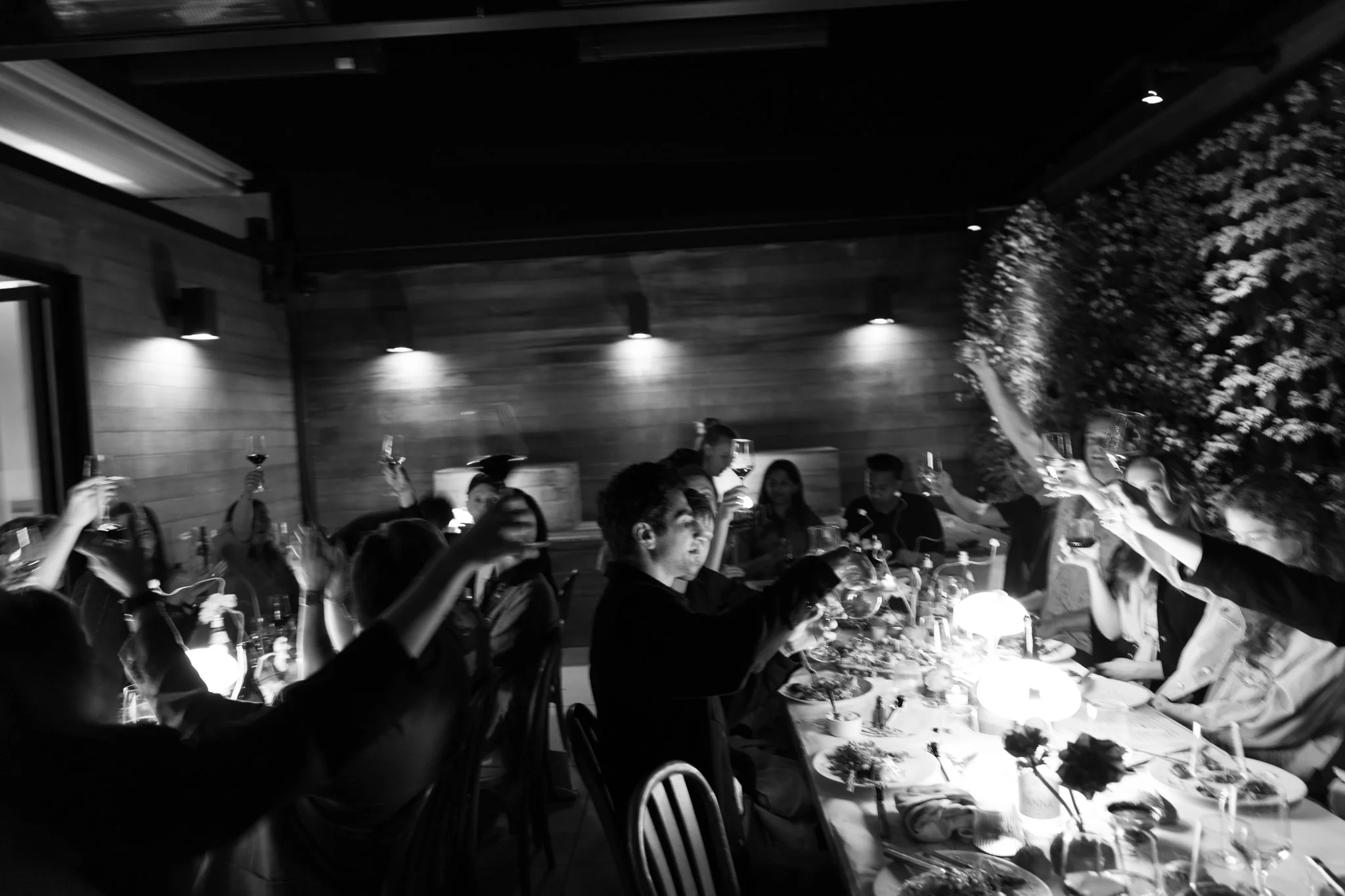
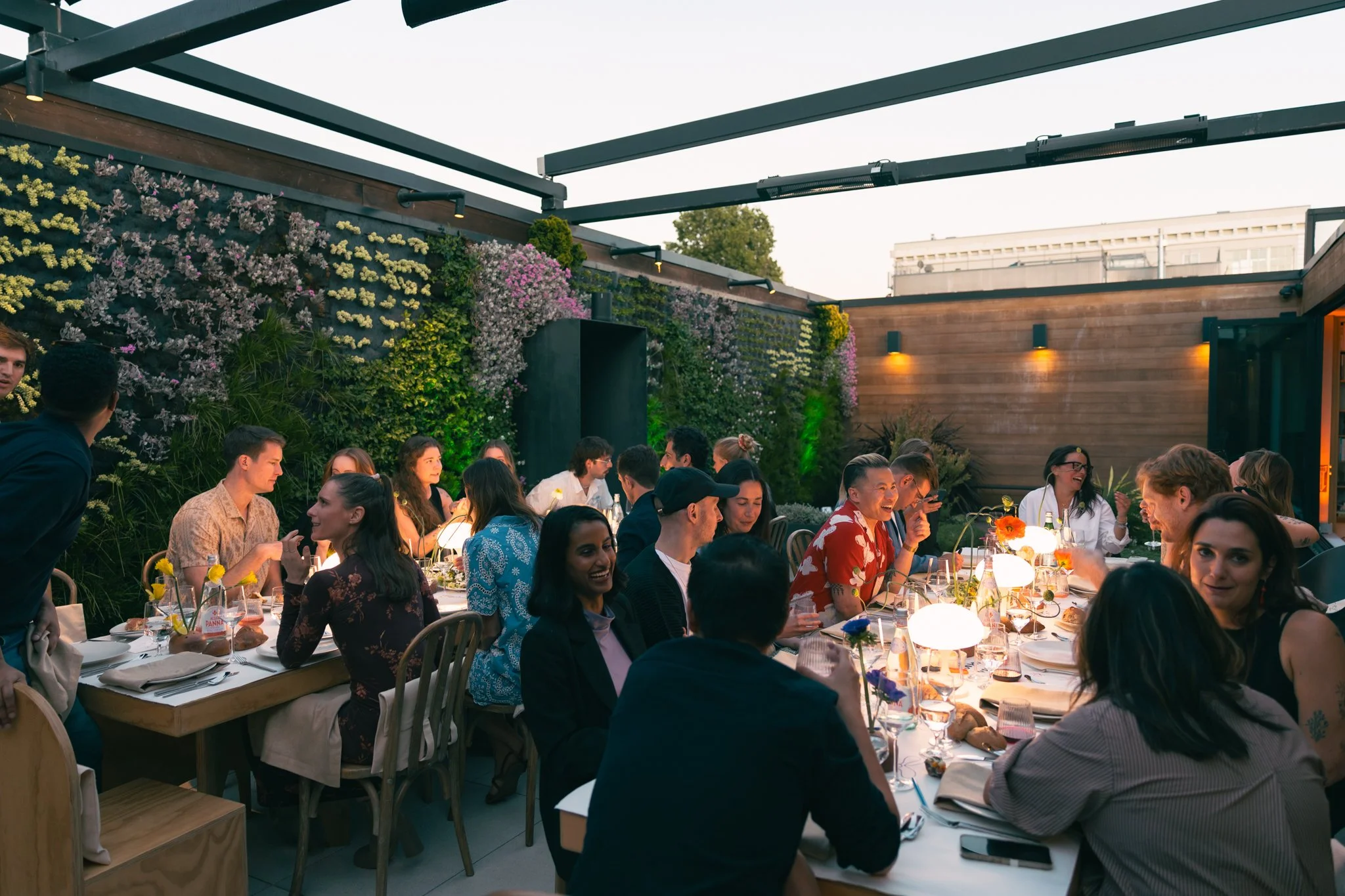
Reizck Project events are designed as moments of collective encounter. They bring people together around creative concepts not as something to be passively observed, but as something shared.
Each gathering creates space for conversation and exchange, allowing ideas to unfold through presence rather than prescription.
Hosted in unique settings and shaped by those who attend, our events gain meaning through dialogue and connection. Though temporary, these moments endure, our hope is that they leave traces that reach far beyond the event itself.
Upcoming 2026 Experiences
-
Collision of Mediums Before the Algorithm
Location: In Sheep’s Clothing
Time: 7-10pm
A listening party and conversation exploring how music once existed within a larger physical culture, intertwined with album art, fashion, record stores, nightlife, and local scenes. Before algorithms curated taste, cultural discovery emerged through physical spaces, imperfect technologies, and real-world participation.
Through music, visuals, and discussion, the evening reflects on how the shift from physical to digital culture has transformed the way identity, taste, and artistic communities are formed. As discovery becomes increasingly shaped by personalized feeds and algorithms, the program asks what happens when music is detached from the spaces and subcultures that once gave it context, and what forms of discovery may have been lost along the way.
-
A Disco Party & Rewriting Wall Text
(details to be announced soon!)
-
Location: Minnesota Street Project, 1275 Minnesota St, San Francisco, CA
Time: 3-5pm
For Minnesota Street Project’s First Saturday programming.
Details to be announced soon.
-
In partnership with 222, Nightlight Society, and T. Berkley Wines, Reizck Project invite guests to an evening of guided wine tasting and conversation exploring how artistic taste is formed and refined over time. Moving between sensory perception and visual interpretation, the program considers what draws us to certain works, flavors, and experiences, and how taste develops through exposure, dialogue, and personal connection rather than expertise alone.
Through conversation around collecting art and engaging with a selection of artworks, the evening will explore why people often feel intimidated by art, challenge the notion of “good taste” as something fixed, and reflect on how collectors and viewers gradually develop their eye.
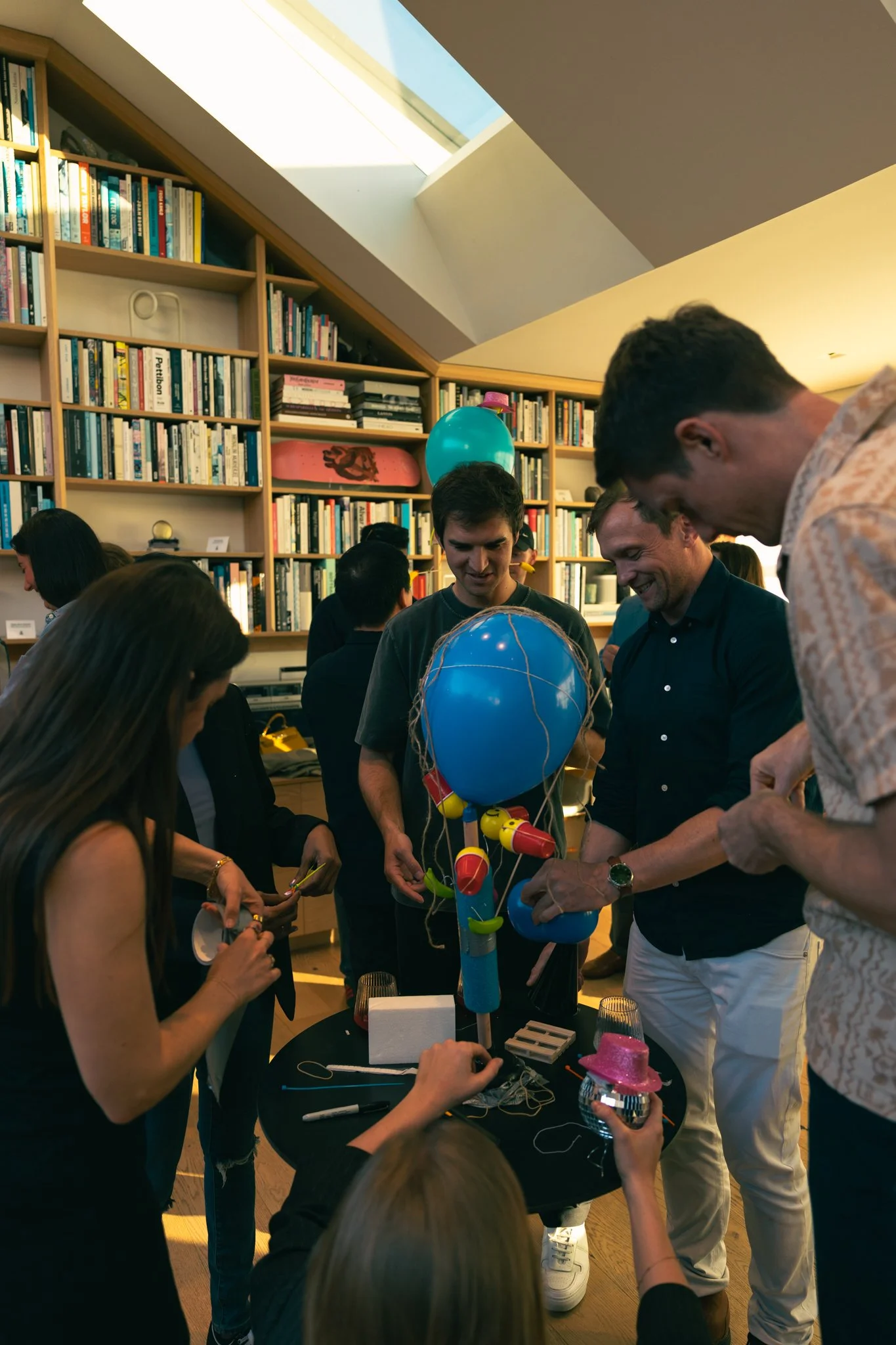
RECENT Experiences
Conceptual Scaffolding:
How Art Behaves Like a Living System
San Francisco - March 28, 2026
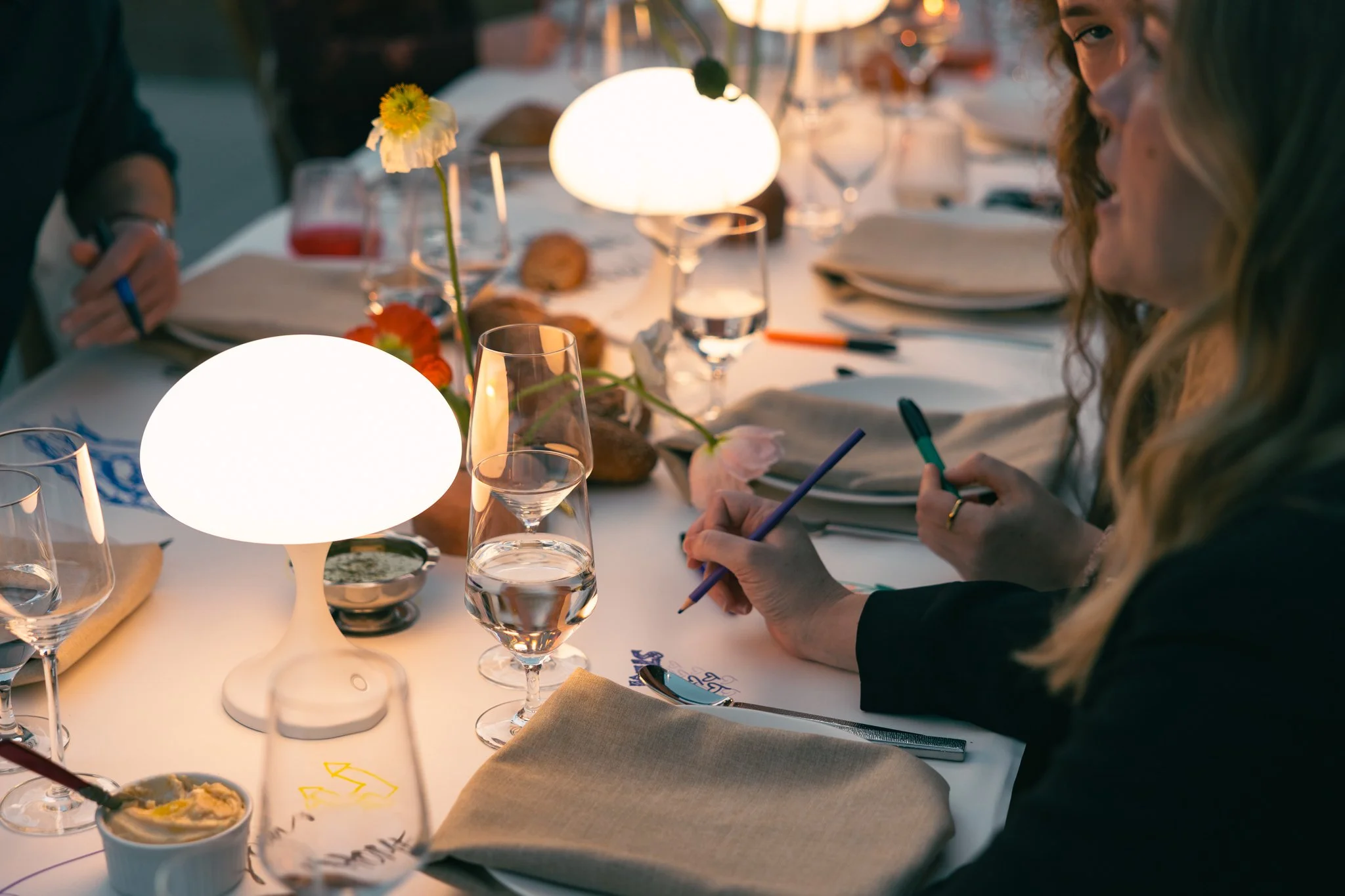
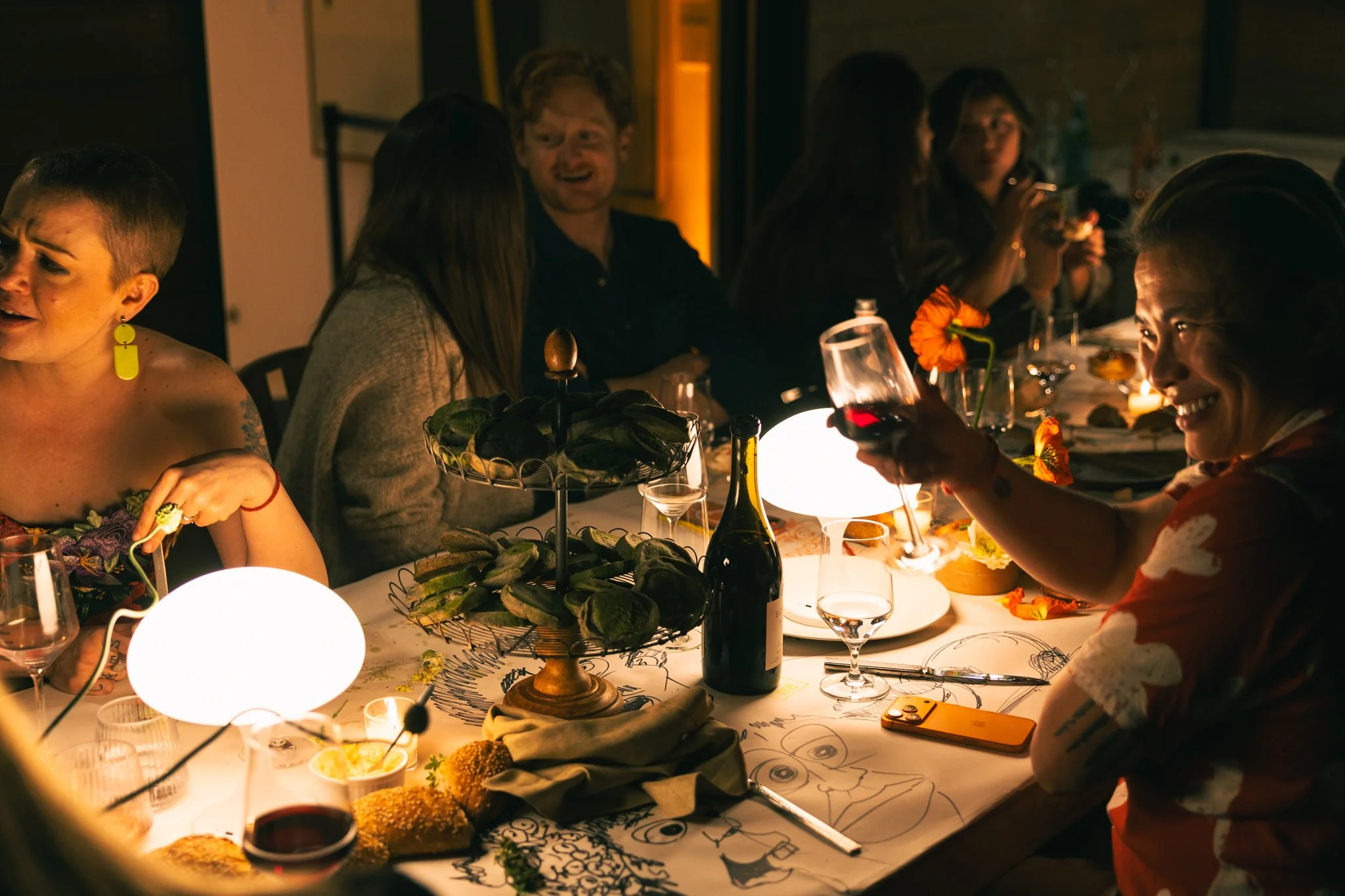
Reizck Projects first public gathering hosted in San Francisco on March 28 in partnership with The Nightlight Societyat Four One Nine. Expect a lightly moderated conversation around the theme below, good food, and a shared beginning.
“Whether Mr. Mutt with his own hands made the fountain or not has no importance. He CHOSE it. He took an ordinary article of life, placed it so that its useful significance disappeared under the new title and point of view - created a new thought for that object.”
So reads the editorial in The Blind Man responding to Duchamp’s Fountain. Historically tied to the controversy surrounding the readymade, the statement reframes art as an act of selection and displacement rather than fabrication. An ordinary object is removed from its utilitarian role and repositioned such that its former function collapses under a new title and point of view. Meaning, here, is not crafted into the object but reassigned through context and intention.
Exquisite corpse extends this destabilization of authorship further. It assumes that creative energy precedes the individual maker and is fundamentally distributed rather than singular. No one contributor possesses the whole; coherence emerges only after production, retrospectively. Meaning is not planned in advance but discovered through accumulation, sequence, and partial knowledge. Creation becomes less an act of origin than one of participation within a larger, unknowable process.
Animism radicalizes this logic by shifting the focus away from intention altogether. In animist frameworks, an art object can act, material can remember, and form can carry lessons and intentions independent of its maker. Form does not merely signify history; it stores and transmits what history cannot fully resolve. Art, from this perspective, is not produced as a closed object but entered into - encountered, activated, and carried forward across time and bodies.
These positions reveal a productive tension. Duchamp emptied the object of utility in order to open it conceptually; animism fills the object with agency in order to restore its relational life. Both break the object open, but in opposite directions - one through negation, the other through attribution. The friction between these moves exposes art not as a stable thing, but as a living system: one that mutates through context, survives through repetition, and persists precisely because it is never fully resolved.