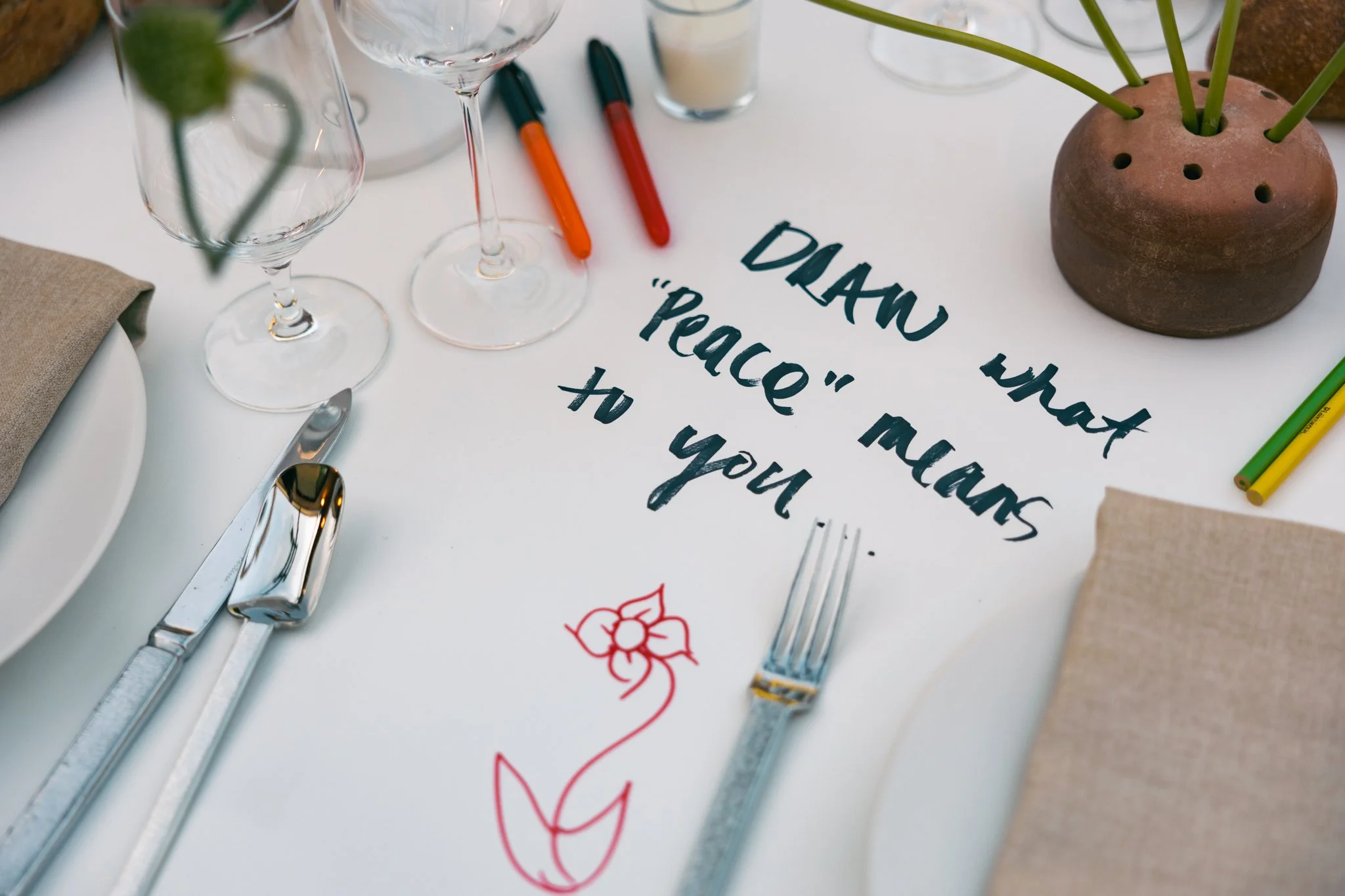
A NOMADIC ART INITIATIVE.
HOSTING CREATIVE ROUNDTABLES & EVENTS, WHILE SUPPORTING ARTISTS AND COMMUNITIES AFFECTED BY CONFLICT.
UPCOMING
-
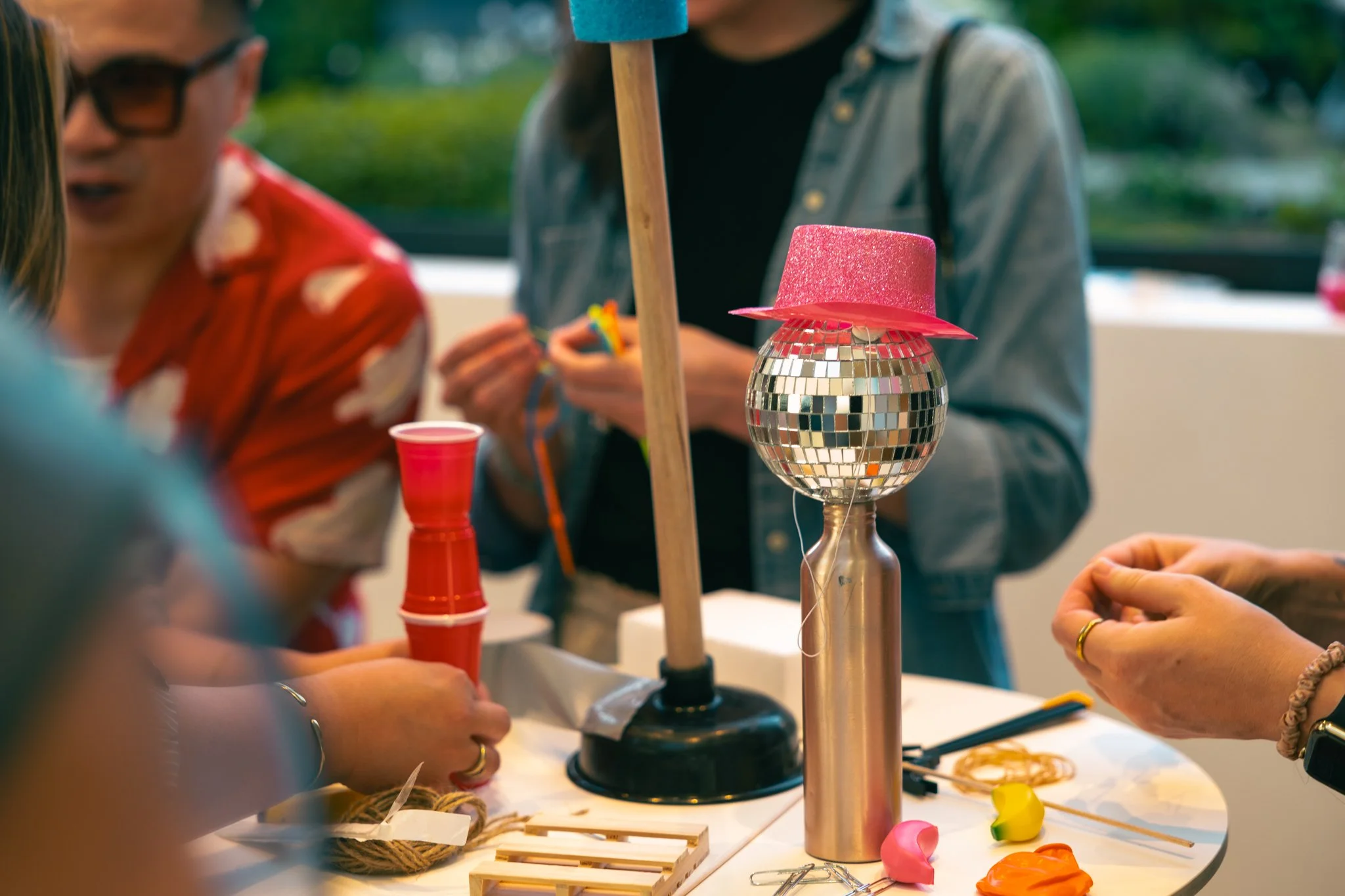
Westchester Youth Alliance in partnership with Reizck Project will host a collaborative sculpture workshop for teens. Participants will move through a guided opening circle, a collaborative sculpture activity using accessible materials, and a reflection session, emphasizing experimentation and collective participation rather than traditional craft.
Together, participants will build a shared sculptural structure while developing skills in observation, collaboration, and perspective-shifting, and reflecting on what it means to create and contribute as a community.
Where: Hudson River Museum
When: November 7 @ 10am - 2pm
-
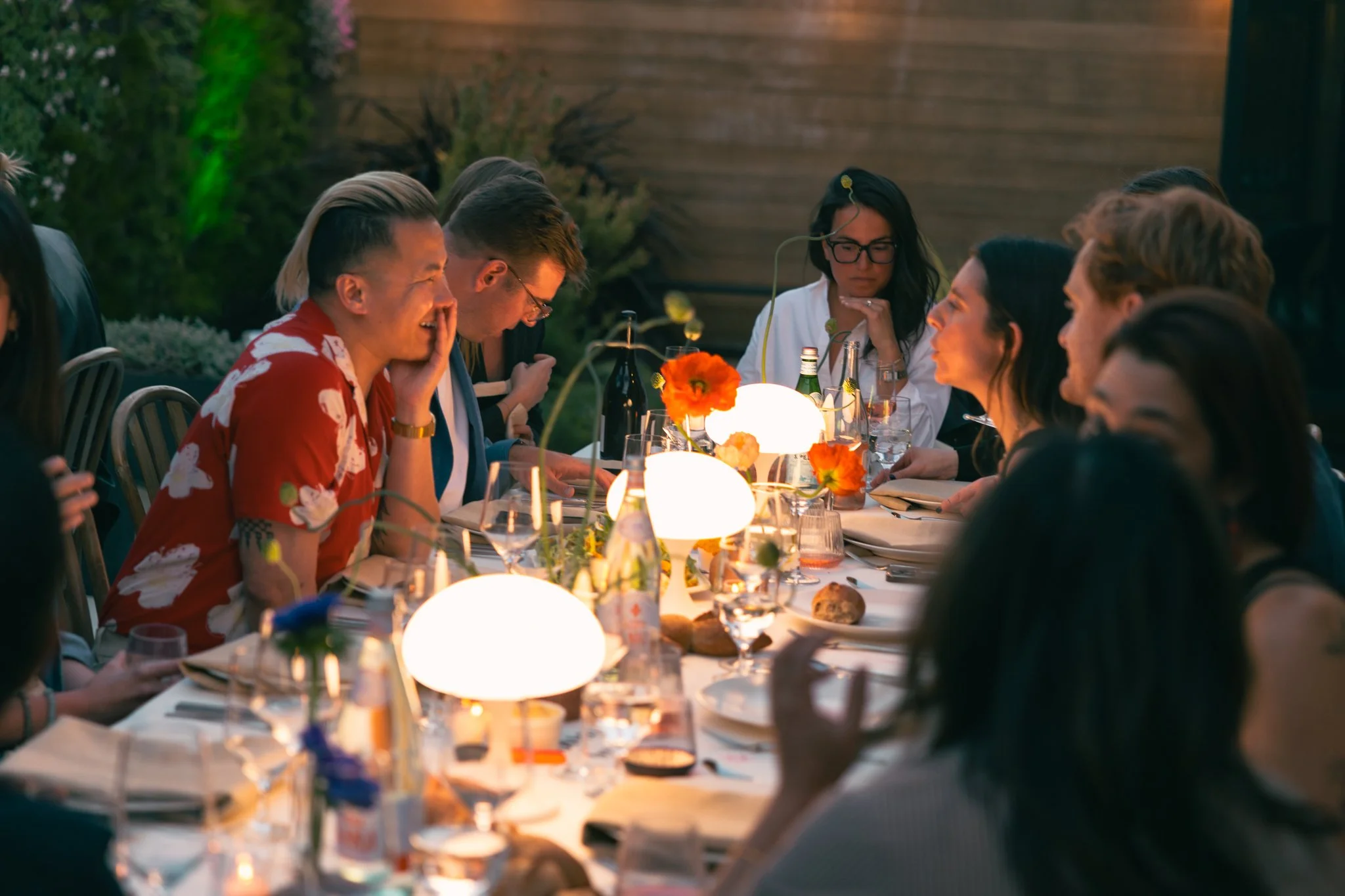
Join Reizck Project in partnership with Nightlight Society for an incredible evening of art, real connection and delicious food.
Inspired by the Surrealist game Exquisite Corpse, we’ll kick off the evening with a collaborative sculpture activity, followed by an in-depth conversation exploring art as experience through the lens of philosopher John Dewey.
Dinner will be prepared by the brilliant Kendra Vaculin, Brooklyn-based recipe developer and writer, formerly of the Bon Appétit Test Kitchen, now at work on her debut cookbook DINNER PLANS (Simon & Schuster).
Early bird $125 · Standard $150 (seats are limited)
11.7.2026 @ 6pm, Centre St. NYC
Tickets on sale here.
-
Location: Minnesota Street Project, 1275 Minnesota St, San Francisco, CA
Time: 3-5pm
For Minnesota Street Project’s First Saturday programming.
Details to be announced soon.
-
In partnership with 222, Nightlight Society, and T. Berkley Wines, Reizck Project invite guests to an evening of guided wine tasting and conversation exploring how artistic taste is formed and refined over time. Moving between sensory perception and visual interpretation, the program considers what draws us to certain works, flavors, and experiences, and how taste develops through exposure, dialogue, and personal connection rather than expertise alone.
Through conversation around collecting art and engaging with a selection of artworks, the evening will explore why people often feel intimidated by art, challenge the notion of “good taste” as something fixed, and reflect on how collectors and viewers gradually develop their eye.
-
to be announced soon.
-
to be announced soon.
Reizck - pronounced RIZ-ik - honors our founder, Merritt Spangler’s, Lebanese family heritage.